Select the side effect you are experiencing
in the drop-down for more information
 Change in Blood Tests
Cancer, cancer treatment, as well as other health issues may affect the levels of some of your blood cells, which can be checked with a blood test. Blood cells that can be affected include white blood cells (fight infection/disease), red blood cells (carry oxygen), and platelets (stop/prevent bleeding). The issues caused by low blood counts depend on the type of blood cells that are affected.
Low White Blood Cell Count
White blood cells (WBCs), also known as leukocytes, are part of your immune system that protect your body from infection. There are 5 types of WBCs, which include neutrophils that destroy bacteria and other foreign substances, lymphocytes that produce antibodies to attack bacteria and viruses, eosinophils that attack parasites and respond to inflammation and allergens, basophils that respond to allergens, and monocytes that destroy germs and eliminate infected cells. A low WBC count is known as neutropenia, leukopenia, low leukocyte count and being immunocompromised.
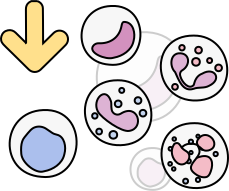
Neutropenia usually doesn’t cause any signs or symptoms but can lead to an infection. Febrile neutropenia is when you have a low WBC count and a fever, which can increase your risk of infection. The most common symptoms of an infection are fever, chills, sweats, rapid heartbeat, difficulty breathing, cough, dizziness, lightheadedness, rash, redness, swelling or sores on the skin, pus or yellow discharge from a wound, injury, drain or catheter, pain, swelling, sores or white patches in the gums, throat, mouth or tongue, pain or burning when urinating, sore throat, pain or swelling in the joints or bones, and/or pain in the abdomen or the rectum.
A few ways that you can protect yourself if you have neutropenia include:
- Washing your hands frequently with soap and water, and using hand sanitizer and hand wipes if you are unable to wash your hands
- Avoiding large crowds and people who are ill
- Wearing a mask if you go out
- Not allowing pets to lick your face
- Asking your healthcare team to confirm what vaccines to get and timeline
Next Steps: Management. Treatment.
Treatment
If you are taking medications or receiving treatments that usually cause neutropenia, your healthcare team may suggest blood tests, body fluid tests (stool, urine, sputum, spinal fluids) and/or imaging scans (x-ray, MRI, CAT scan). The management of neutropenia depends on what’s causing it. Your healthcare team may treat a low WBC count with an antibiotic, antiviral or antifungal medication if you also have a fever. Growth factors (granulocyte colony-stimulating factors) are medications usually given as a shot that help the bone marrow make more WBCs.

Notify your healthcare team if you have a temperature >100.4°F (38°C), chills, sweating, new or worsening confusion, dizziness, lightheadedness, chest pain, difficulty breathing (even while resting) and/or you’re falling down.
Low Red Blood Cell Count
Red blood cells (RBCs), also known as erythrocytes, have a protein called hemoglobin (Hgb) that brings oxygen to tissues in your body and releases carbon dioxide to your lungs for you to exhale. If your body isn’t making enough RBCs, this is known as anemia, which may be caused by cancer, cancer treatment and/or other health conditions. A few of the most common symptoms include fatigue, rapid heartbeat, chest pain, shortness of breath, appetite loss, cold hands and feet, dizziness/lightheadedness, swelling in the hands or feet, and/or pale skin, nail beds, mouth or gums.
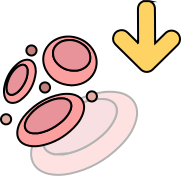
A few ways that you can manage anemia include:
- Eating iron-rich foods If you have low iron, such as red meat, fatty fish, chicken, turkey, dark leafy greens (e.g., spinach, kale, collard greens, chards), beans, lentils, tofu, dried fruits, citrus fruits, nuts, fortified cereals, and enriched pasta and rice
- Drinking plenty of water and fluids, such as broth and tea, unless otherwise instructed by your healthcare team
- Resting when you feel tired, short of breath or dizzy
Next Steps: Management. Treatment.
Treatment
If you have symptoms of anemia, additional tests may be recommended to determine the cause, which may include a CBC (complete blood count) to check hemoglobin, additional blood tests to check organs and levels of vitamins and minerals, tests on body fluids to check for blood, imaging tests to check for bleeding in the body and/or a bone marrow biopsy to ensure your body is making healthy RBCs. Treatment for anemia also depends on what’s causing it. If cancer treatment is causing anemia, your healthcare team may lower the treatment dose, suggest a different treatment or stop treatment to give your body a chance to recover. They may also treat anemia with a red blood cell transfusion, (if you have signs of bleeding or your hemoglobin is very low), iron supplement therapy, medications that help your body create new RBCs (erythropoiesis-stimulating agents or ESAs) and/or vitamin B12 or folic acid supplements.
Notify your healthcare team if you have dark brown or bright red vomit, have red or black stool, you’re dizzy/lightheaded or have fallen, and/or can't get out of bed for >24 hours. Go to the emergency room or call 911 if you are experiencing bleeding that won’t stop, have new or worsening confusion, shortness of breath (even while resting), chest pain, and/or an irregular heartbeat.
Low Platelet Count
Platelets (thrombocytes) are blood cells that help your blood clot. If you’re injured or hurt, clotting prevents you from losing too much blood. A low platelet count is known as thrombocytopenia and can cause bruising and bleeding.

Common symptoms of a low platelet count include bleeding from the mouth, gums, nose, rectum, or skin, excessive bleeding during/after surgery or birth, blood in bodily fluids such as spit, vomit, stool, or urine, menstrual bleeding that’s worse than your normal period, easy/excessive bruising (purpura), small red or purple dots on the skin (usually on the feet or legs called petechiae), severe headaches, fatigue, blurred vision, weakness/dizziness that worsens, new confusion, signs of a stroke, enlarged spleen, and/or pain in your joints or muscles. A low platelet count may be caused by an infection (e.g., hepatitis C virus, HIV, or Epstein-Barr virus), bone marrow not making enough platelets (e.g., leukemia, blood disorder), platelets trapped in the spleen (e.g., cirrhosis of the liver, myelofibrosis, Gaucher disease), a red blood cell transfusion, or certain medications (e.g., heparin, antibiotics, ethanol, anticancer drugs, or quinine).
Below we’ve provided ways that you can protect yourself if you have a low platelet count:
- Avoid activities that could cause an injury, such as sports, walking on wet floors or ice, or climbing ladders
- Be cautious when using sharp objects, such as knives, scissors or tools
- Prevent tripping, falling or stepping on something sharp by keeping your floors clear
- Wear shoes when you’re outside
- Use a soft toothbrush and confirm with your healthcare team that it’s okay to floss
- Use an electric shaver instead of a razor blade
- Use a stool softener to prevent constipation and hemorrhoids
- Avoid putting anything in your rectum, including a thermometer or enema
- Avoid blowing your nose or coughing too forcefully
- Avoid blood-thinners, unless prescribed by your healthcare team
Keep track of how you are feeling and any symptoms you’re experiencing by using our Symptom Tracker or A Head to Toe Analysis so that you can share the details with your healthcare team.
Next Steps: Management. Treatment.
Treatment

Talk to your healthcare team about whether your type of cancer or specific treatment increases your risk of a low platelet count. People with cancer have a higher risk of blood clots and your healthcare team may discuss the importance of balancing the risk of bleeding with the risks of blood clots. Your healthcare team may periodically check your platelet count when you get a complete blood count, which is a blood test that measures the number and size of different cells in your blood. Managing low platelets depends on what’s causing it. If it’s caused by cancer treatment your healthcare team may lower your treatment dose, suggest a different treatment or stop treatment to give your body a chance to recover. Your healthcare team may recommend certain medications or procedures, a platelet transfusion (if you have signs of bleeding or a very low platelet count) or treat an underlying health issue that may be causing low platelets.
Notify your healthcare team immediately if you have dark or bright red vomit, red or black stools, dizziness, lightheadedness, balance issues, and/or if you’ve been in bed for >24 hours. Go to the emergency room or call 911 if you fall or hit your head, you’re bleeding and it won’t stop, or have new or worsening confusion.

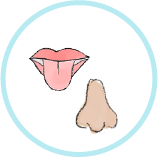 Change in Taste/Smell
You may experience a change in taste or smell during or after cancer treatment. Although changes in taste can be different for each person, the most common issues include: food not tasting the same, food tasting bland, too salty or sweet, and/or a bitter or metallic taste in your mouth. Food may also smell different and may be weaker or stronger than before, and you may not be able to smell things that others can or tolerate smells you used to like.


These changes usually end after treatment is over, but can last a long time for some people. These issues may make it more difficult to eat, lead to unintended weight loss and/or cause food aversions (strong dislike for certain foods). If you don’t eat or drink enough, it can also be more difficult for your body to recover and heal from your cancer treatments. Changes in taste and smell may be caused by cancer treatment, side effects (mouth sores or dryness, issues with your teeth or gums) and/or medications to treat side effects (e.g., antibiotics, pain medicines) or other health issues (e.g., high blood pressure, heart disease, diabetes).
Next Steps: Management. Treatment.
Management
To help you manage changes in taste, we’ve provided a few helpful tips below:
- Eat food that’s cold or at room temperature to make taste and smell easier to tolerate.
- If you have a metallic taste in your mouth, try using plastic utensils, glass cups/plates, and non-metal cooking dishes. Chew sugar-free gum or hard candies, and/or eat fresh and frozen fruits and vegetables (instead of canned).
- Blend fresh fruits into milkshakes, ice cream, or yogurt. Try freezing fruits to eat as a frozen treat.
- If food tastes salty or bitter, try adding sweeteners. If food tastes too sweet, add lemon juice and salt.
- If food tastes bland, add flavor with marinades, sauces, herbs, spices, sugar, or tart flavors. You can also try citrus fruits, lemon wedges, lemonade, vinegar, and pickled foods.
- Try protein-rich foods, such as chicken, turkey, fish, peanut butter, beans, peas, tofu, nuts, seeds, eggs, or cheese (if you don’t like the taste of red meat). You can also marinate meats in fruit juice, sweet wine, salad dressing or other sauces.
- Brush your teeth to keep your mouth clean and rinse with a mouthwash made up of 1 tsp. baking soda, 1 tsp. salt, and 4 cups of water.
- Avoid using tobacco products.
- Track the foods and drinks that you like and don’t like to help you make future choices
If you're having issues with the smell of food:
- Try eating foods that are cold, at room temperature and/or don’t require cooking to make it easier to tolerate. Keep foods covered.
- Cook outside. If cooking inside, use a fan while cooking to help with ventilation and avoid eating in warm rooms.
- Use cups with lids and a straw while drinking.
Treatment
Talk to your healthcare team if you have issues eating or drinking and if your sense of taste or smell has changed so that they can help troubleshoot and determine a plan, including potential medications or supplements. Share a list of foods and drinks that you’re having trouble eating/drinking, as well as any smells that you’re having an issue with. If you use tobacco, discuss methods to help you quit, which can help improve your sense of taste and smell. Check in with a dentist to rule out any dental issues and ask if they recommend a mouthwash. Schedule time to meet with a registered nutritionist or dietitian to help you figure out what to eat and how to prepare meals.
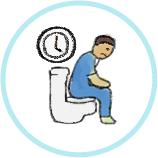 Constipation
Many people with cancer may experience constipation, which is difficulty having a bowel movement (pooping) or not going as many times as you typically do (since we’re all different). Determining the cause and understanding how to prevent and manage constipation can help improve your quality of life. It may be caused by cancer treatment, certain medications (e.g., pain medicines), changes in your diet, not drinking enough fluids and/or being less active. As stool moves through your bowels, the colon (large intestine) absorbs some of the water in the stool. The longer the stool remains in the colon, the more water is absorbed and the stool becomes harder, which makes it more difficult to have a bowel movement.
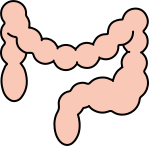
People with constipation may have difficulty or discomfort while having a bowel movement, small, hard, pellet-like bowel movements, bloated/firm belly, stomach ache or cramps, pass gas or burp frequently, feel nauseous, vomit and/or have small amounts of liquid stool leak out. Constipation may also lead to other issues such as hemorrhoids, anal fissures (small tears in the tissue lining), rectal prolapse (portion of rectum slips out of the anus), bowel obstruction, difficulty peeing and/or bladder incontinence.
Next Steps: Prevention. Management. Treatment.
Prevention and Management
Preventing constipation is easier than treating the complications it may cause. To help you prevent and manage constipation, we’ve provided a few helpful food and fluid tips below:
- Drink plenty of liquids, aiming for ~8 cups a day. Try warm/hot liquids.
- Eat foods that are rich in insoluble fibers, which aid in good digestion and help food move through the bowels without removing too much water. A few sources of insoluble fiber include leafy green vegetables, wheat bran, quinoa, brown rice, potatoes, fruits with edible skin, almonds, walnuts and seeds.
- Avoid fizzy drinks and foods that can cause gas such as dairy, eggs, apples, avocados, beans, peas, cabbage, broccoli.
- Avoid gum and straws, which can cause gas.
Additional helpful tips include:
- Get moving, which can stimulate the muscle in the bowel. Ask your healthcare team what exercises are safe for you to do.
- Try to stick to a routine and go to the bathroom at the same time each day. Your bowels are usually more active after walking or eating.
- Raise your feet 8-12 inches above the ground with a footrest when having a bowel movement to make it easier to pass.
- Keep track of your bowel movements and other symptoms using our Symptom Tracker or Poop Tracker, so that you can share the details with your healthcare team.
Treatment
Talk to your healthcare team about your symptoms early on to prevent any complications and discuss recommendations, including the use of laxatives, since they’re not recommended for long-term use. Bulk-forming laxatives make your stool softer and bulkier, which helps it pass more easily. Stimulant laxatives stimulate the bowel nerve endings, moving stool through faster. Osmotic laxatives draw water into the bowel, softening the stool and making it easier to pass. Stool softeners also make it easier to pass. Enemas and suppositories are both options for short-term relief that are placed into the rectum through the anus and can act faster than medicines that you take orally (by mouth). An enema is a liquid that softens the stool and lubricates the bowel, and suppositories are soft solids that dissolve to soften the stool.
Your healthcare team may also recommend prescription medications for long-term constipation, pelvic floor therapy (muscle exercises) and/or biofeedback, which uses sensors that are placed near the anus to show which pelvic muscles are being used.
Notify your healthcare team immediately if you haven’t had a bowel movement in 3 or more days, see blood in your stool, have belly pain, or you’re vomiting. Go to the emergency room or call 911 if you’re bleeding from your rectum and it won’t stop, you have sudden, intense belly pain that’s persistent, and/or you can’t urinate or eat for a day or more.
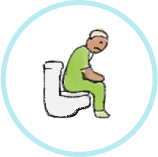 Diarrhea
Many people with cancer may have diarrhea, which is when you have more frequent stools in a day than you usually do, which may be loose or watery. Although symptoms can vary for each person, you may also have discomfort, belly pain, swelling or bloating, cramps, nausea, upset stomach, urgency to have a bowel movement, and/or blood/mucus in your stool. Diarrhea can lead to weakness, appetite loss, electrolyte changes, and/or infection. The body doesn’t absorb enough water and nutrients if you have diarrhea for a long time or it’s severe, which can lead to dehydration or malnourishment.
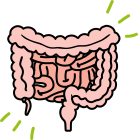
A few common reasons for diarrhea include treatments, such as chemotherapy, immunotherapy, targeted therapy, or radiation therapy. Chemotherapy may cause diarrhea a few days after treatment, whereas other treatments like immunotherapy or targeted drugs may cause diarrhea weeks to months after treatment. Other reasons include an infection, small bowel obstruction, and/or graft versus host disease (GVHD) following a bone marrow transplant.
Next Steps: Management. Treatment.
Management
To help you manage diarrhea, we’ve provided a few helpful food and fluid tips below:
- Drink plenty of fluids, aiming for at least one cup of liquid after each loose bowel movement to replenish fluids you’ve lost. Try a clear liquid diet when you start having diarrhea, such as water, apple juice, clear broth, popsicles, jello or weak tea.
- When you’re ready to move back to solid foods, try the BRAT diet (bananas, rice, applesauce and toast). You can also try foods such as potatoes, noodles, cereal, boiled vegetables and low-salt soups. Try eating smaller meals that are easier on your stomach, including foods that are higher in potassium and sodium to help replenish minerals.
- Avoid caffeine, alcohol, acidic drinks, foods that upset your stomach or are spicy, high in fat or sugar.
- Avoid supplements, such as aloe, milk thistle, saw palmetto, ginseng, coenzyme Q10, green tea, and too much vitamin C.
Additional ways to help manage diarrhea include:
- Keep your anal area dry and clean.
- Use baby wipes or damp toilet paper while wiping to soothe sore areas.
- Sit in a sitz bath or warm, shallow bath to reduce pain and discomfort.
- Apply petroleum ointment to the anal area to help with soreness.
- Keep track of your bowel movements and details, such as frequency, using our Symptom Tracker or Poop Tracker to share with your healthcare team
Treatment
To manage diarrhea, your healthcare team may recommend options to treat the cause and any symptoms you might have. To determine the cause, tests such as a stool sample to look for infection, imaging tests to look for inflammation or other issues (e.g., x-ray or CT scan), and/or blood tests to check electrolyte levels and signs of dehydration may be recommended. Antidiarrheal medication may be recommended if the cause of the diarrhea isn’t an infection. If diarrhea is caused by an infection, you may need antibiotics or other medications. Antidiarrheal medication may need to be avoided, as it can make the infection last longer. Steroids may be prescribed for diarrhea caused by immunotherapy. If diarrhea has led to dehydration, you may receive fluids and electrolytes. Check with your healthcare team before taking any medications and take it as prescribed to ensure it’s the most effective treatment.
Notify your healthcare team if you are experiencing diarrhea, as it can lead to serious issues if it’s not managed. Let them know if you can’t keep liquids down for >24 hours, have blood in your stool, and/or have a fever. Go to the emergency room or call 911 if you’re bleeding from your rectum and it won’t stop, yyou have sudden, intense belly pain, and/or you can’t urinate or eat for a day or more.
 Dry Mouth
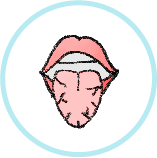
Dry mouth (xerostomia) occurs when your body isn’t producing enough saliva or if the saliva becomes very thick. Symptoms may include a sticky, dry feeling in the mouth, thick/stringy saliva that sticks to your lips when you open your mouth, mouth or tongue pain or burning, cracked lips or corner of the mouth, tongue ridges or cracks, and/or difficulty chewing, tasting, swallowing, or talking.
A dry mouth or thick saliva can increase your risk of mouth infections, gum disease, and/or cavities. Dry mouth may be caused by certain cancer treatments, dehydration, mouth infections, graft-versus-host disease and certain medications (e.g., antidepressants, diuretics, pain medicines, antiemetic, antihistamines). Smoking, chewing tobacco, and alcohol can also make dry mouth worse.
Next Steps: Management. Treatment.
Management
To help you manage dry mouth, we’ve provided a few helpful food and fluid tips below:
- Stay hydrated with at least eight glasses (8 oz each) of fluid daily, sipping frequently between/during meals.
- Avoid sugary or acidic drinks (e.g., tomato, orange or apple juice), caffeine, and alcohol.
- Avoid hot, spicy, or acidic foods, tough meats, pretzels, chips, and hard/raw fruits and vegetables.
- Take small bites, chewing your food well. Add liquids (e.g., gravies, sauces, milk, yogurt) to solid foods to help you swallow.
Additional ways to help manage dry mouth include:
- Brushing your teeth with a soft brush after each meal and at bedtime. Rinse your mouth every 2 hours with water or a bland mouth rinse, such as saline, salt water, or baking soda. Avoid using store-bought mouthwash with alcohol.
- Sucking on ice chips, frozen desserts, or sugar-free candy and chewing sugar-free gum (e.g., mint, cinnamon, and citrus flavors) to help increase flow of saliva
- Moistening your lips with a water-based lip balm/moisturizer. Using a cool mist humidifier (that’s kept clean) to make your room less dry
- Avoiding smoking and chewing tobacco
Treatment
Notify your healthcare team if you can’t eat, drink, take medication, swallow pills, have dry/cracked lips, mouth sores, and/or new mouth dryness for >3 days. Your healthcare team may recommend using artificial saliva/saliva substitutes (rinses, gums, sprays, tablets) to protect and moisten your mouth and throat, medications, nutritional supplements, acupuncture, and/or transcutaneous electrical nerve stimulation (to help your glands produce more saliva).
 Eye/Vision Issues
Certain cancer treatments and the stress of having cancer may lead to changes in your eyes and vision, including light sensitivity, eye pain, blurry vision, loss of peripheral vision, dry eyes, watery eyes, red/swollen eyelids, changes in how you see colors, small dark shapes (floaters), flashes of light in your field of vision, glaucoma, and/or an acceleration in the development of cataracts. Not everyone will experience these issues, and you may encounter additional eye or vision issues.
Next Steps: Management. Treatment.
Management
There are different ways that you can manage eye and vision issues:
- Light Sensitivity: Avoid lights that are bright and wear tinted lenses, if you wear glasses.
- Dry Eyes: Talk to your healthcare team about using artificial tears or prescription eye drops. They may also recommend punctal plugs, which are medical devices placed in your tear ducts to help keep your eyes moist.
- Watery Eyes: Try using a warm, wet compress. A minor surgical procedure to remove the blockage of passages that allow for the drainage of tears may be recommended, in extreme cases.
- Red/Swollen Eyelids: When fluids collect in the tissues around your eyes, they can become red or swollen. You can try placing a clean, wet cloth on your eyes twice a day for 15 minutes to help alleviate symptoms. Don’t wear makeup or contact lenses.
Keep track of any eye or vision changes you experience over time, using our Symptom Tracker so that you can share these details with your healthcare team.
Treatment
Talk to your healthcare team about the potential eye and vision changes associated with treatment, how long these issues may last, how you can alleviate the impact of these changes, and how often you should see an ophthalmologist. Ask your healthcare team about support accessories for your home, such as stabilizer bars for your bathtub/shower, and devices to help with balance. They may also recommend at-home eye activities including blinking exercises and eyelid massages if you have dry eyes. You can also inquire about home-based services if you need help at home.
Prior to starting treatment, make an appointment with an ophthalmologist for a detailed eye exam and baseline measurements of the function of your retina and optic nerve. They may also recommend specialized tests, such as vision field and optical coherence tomography. Let them know your type and stage of cancer and treatment plan.
Notify your healthcare team right away if you are experiencing any eye or vision changes, especially if you have pain or loss of vision. Although floaters or light flashes don’t usually require treatment, if you do experience them or find that your vision is affected, let your healthcare team know since flashes of light may be a potential warning sign of retinal detachment.
 Fatigue
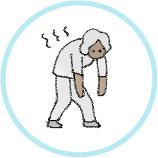
Fatigue is the physical, emotional, and mental feeling of exhaustion, tiredness, and low energy that doesn’t improve with rest or sleep. It is an extremely common side effect of cancer and cancer treatment. >80% of people with cancer experience fatigue during chemotherapy and radiation therapy. Symptoms of cancer-related fatigue include feeling very weak, drained, sad, cranky or frustrated. You may feel a heaviness in your arms and legs, which makes it hard to move. You may also have trouble concentrating, thinking, or recalling information. People with cancer may experience fatigue before, during and after treatment, which can last from weeks to years after treatment ends, and affect your work, social life or daily routines.
There are many things that can cause and/or make fatigue worse, including anemia (low red blood cell count), pain, emotions and mental health (e.g., distress, anxiety, depression), sleep issues, diet/nutrition issues, dehydration, a lack of physical activity, infection, changes in thyroid function, and/or other health conditions (e.g., rheumatologic or autoimmune disorders). Some medications may also make you feel sleepier or more tired.
Next Steps: Prevention. Management. Treatment.
Prevention and Management
A few ways to help you prevent and manage fatigue include:
- Physical Activity/Exercise: Physical activity during and after cancer treatment is recommended to help manage cancer-related fatigue; although it’s important you check in with your healthcare team beforehand to ensure it’s safe. You can start slowly with short walks and then add more activity over time. It can help to combine 30 minutes of aerobic activity (e.g., walking, bike riding, swimming) with weight training. Inactivity can make fatigue worse and sticking to a daily routine can help you feel better.
- Sleep: Good sleep hygiene is important with a goal of 7-8 hours of sleep every night with a routine bed and wake time. To help you get a good night’s sleep, avoid caffeine at least 4 hours before bedtime, don’t exercise at least 2 hours before bedtime, and limit naps to less than 30 minutes a day. If you still have difficulty sleeping or oversleep, your healthcare team may recommend sleep therapy, which may help you sleep better and learn methods to change up your routine.
- Eating Well: You may have difficulty eating and getting enough nutrients. A balanced diet includes proteins, fruits, vegetables and whole grains. Be sure to also stay hydrated and limit your intake of caffeine and alcohol. Talk to a registered dietitian or nutritionist, since they can help you determine the calories and nutrients you need.
- Mind and Body Practices: Yoga, tai chi, qigong (combining movement, stretching, balance, meditation, and controlled breathing), and mindfulness/relaxation techniques such as guided imagery and hypnosis, can help with fatigue. Yoga can also help to improve quality of sleep, and alleviate anxiety and depression. Counseling and stress management can help you learn how to cope with your fatigue. Be sure to check in with your healthcare team prior to any of these activities.
- Cognitive Behavioral Therapy (CBT): This is a method provided by a mental health professional to influence your thoughts and change behavior, such as negative or stress-producing thoughts.
- Acupuncture: Thin needles are inserted into the skin in specific areas of the body by a licensed technician to help alleviate symptoms, such as fatigue and pain. Talk to your healthcare team prior to trying acupuncture to confirm that it’s a safe option for you.
- Massage Therapy: Kneading, rubbing, and stroking the soft tissues of the body can help relieve fatigue, stress and pain, lower blood pressure, and improve circulation. It’s important to confirm that your massage therapist is familiar with cancer massage, since there are health risks associated with massages given by therapists who aren’t trained in cancer-specific needs. Talk to your healthcare team prior to massage therapy to ensure it’s safe for you.
- Symptom Tracking: Keep track of when you experience fatigue using our Symptom Tracker or A Head to Toe Analysis so that you can share details with your healthcare team.
Treatment
Your healthcare team may ask you a series of questions about how you’re feeling and its impact on your daily life. They may ask you to describe and rate the severity of your fatigue. Be prepared with details such as when the fatigue first started, how long it has lasted, whether it has gotten better or worse over time and any associated factors. Your healthcare team may perform a physical exam and/or order a blood test to figure out what’s causing the fatigue, check for any patterns and determine how to best prevent, manage and treat it. You may be prescribed medications to help you feel more alert. If you have anemia (low red blood cell count), you may be given supplements, medication, or a transfusion. If pain is making your fatigue worse, your healthcare team will work with you to create a pain control plan, which may include medication and/or non-medical methods to manage the pain.
There are also different types of therapy that may be recommended to help improve your quality of life. Physical therapy uses exercises and activity to help strengthen your muscles and restore mobility and movement. Occupational therapy is rehabilitation that helps people who have a change in mental or physical function regain skills for everyday activities, such as getting dressed on their own or caring for children. Respiratory therapy helps improve any breathing issues and restore lung function. Palliative care may also be helpful in managing symptoms of cancer and side effects of treatment to help improve quality of life during cancer treatment.
Notify your healthcare team if you feel too weak or tired to do normal activities (especially after resting/sleeping), have difficulty waking up or getting out of bed for 24 hours, and/or have difficulty catching your breath when you’re active, since these may be signs of other issues that require treatment. Go to the emergency room or call 911 if you feel dizzy, confused, are short of breath when resting and/or lose your balance or fall.
 Fever
Fever
A fever is when your temperature is higher than what’s normal for you, since your body temperature can vary based on your age, the time of day, as well as how and where it’s measured. Normal body temperature is 95.5°F -99.9°F (35.3°C -37.7°C). For people with cancer, a fever is usually defined as ≥100.4°F (≥38°C) for at least one hour. Ask your healthcare team what they consider to be a fever and if they recommend taking over-the-counter medications if you do have a fever.

Cancer treatment may lower your white blood cell count (neutropenia), putting you at risk for infection, which is the most common cause of fever in people with cancer. A fever may also be caused by a reaction to a medication or cancer treatment, inflammation, tumors and/or a blood clot in the lungs (pulmonary embolism). A neutropenic fever is when you have a fever and a low white blood cell count, which is sometimes the only sign of infection.
Next Steps: Management. Treatment.
When checking your temperature, use a thermometer that you put into your mouth for a more accurate reading. Be sure to always clean the thermometer before/after use, using warm water and soap, or a cotton ball with rubbing alcohol.
Notify your healthcare team if you are experiencing a fever, as infections can rapidly become life-threatening if you have neutropenia. Let your healthcare team know if you have signs or symptoms of an infection, such as chills, sweats, cold, clammy or pale skin, cough, difficulty breathing, new or worsened confusion, painful urination, not urinating, and/or urinating in small amounts and it’s dark orange or brown.
 Hair Loss
Some people may experience hair loss (alopecia), where they lose some or all of their hair when undergoing certain cancer treatments, which usually grows back after you complete treatment. Every person is different and not everyone will experience hair loss. Other factors aside from cancer treatment may affect hair loss, such as the condition of your hair prior to treatment, genetic hair loss/thinning, scalp conditions/infections, hair styling/heat, hormone changes, medications, nutrition/diet, other medication you take, and tobacco use. It’s not just the hair on your head that may be impacted, and you may have hair loss or thinning in other places where you have body hair, such as eyebrows, eyelashes, facial hair, arms, legs, chest, back and/or pubic area. You may also experience a dry or itchy scalp or numbness, pain, tingling around the scalp. If you do lose hair on your head, it usually starts around your hairline and crown, which are higher friction areas.


Losing your hair can take an emotional toll, since it’s an important part of self-image and one of the most noticeable side effects of cancer treatment. To help you cope, share your concerns and emotions with a mental health professional and/or a live or online support group, where you can connect with others going through similar experiences.
Next Steps: Prevention. Management. Treatment.
Preparation and Management
Talk to your healthcare team about potential hair loss associated with certain cancer treatments so that you know what to expect and can decide on options that make you feel most comfortable.
There are a few options you may want to consider as you potentially prepare for and manage hair loss and decide what’s best for you:
- Scalp cooling is a method that might help reduce hair loss caused by chemotherapy, and there are some FDA-approved scalp cooling devices and cold caps that may be helpful. Talk to your healthcare team about potential benefits and side effects.
- You may want to cut your hair short or shave it so that it’s easier to manage.
- Wigs are another option that may be covered by your health insurance if prescribed as a cranial prosthesis. There are some programs that also provide discounted wigs and styling services. Learn more about wigs and styling tips.
- Scarves, bandanas, hats and turbans made of gentle materials are alternative options you may want to consider. Cotton fabrics tend to stay on a smooth scalp better than fabrics made of polyester or nylon. If you have a sensitive scalp, you may want to use organic fabrics to reduce itchiness and irritation. The softest materials are bamboo, silk, and cotton, which tend to be gentle and cooling.
- When sleeping, wear a hair net and use a satin pillowcase.
- Be gentle when brushing your hair, and use a hairbrush with soft bristles or a wide-toothed comb. Wash your hair no more than twice a week, using mild shampoo (e.g., baby shampoo) and conditioners, and pat your head dry with a soft towel. Don’t wear styles that pull on your hair like ponytails and braids.
- Improve blood flow to your scalp with regular scalp massages.
- Don’t use products with harsh chemicals or fragrances, bleach, color or perm your hair or style with heating devices, such as a flat/curling iron or hot rollers.
- Protect your scalp from the heat, cold, and the sun with a hat and at least SPF 30 sunscreen.
- Recognize that when your hair starts to grow back in, it may initially be a new color, straighter or curlier, and thicker or thinner. Over time, it will likely go back to how it was prior to treatment.
Treatment
Although there are many treatments for hair loss and thinning, only a few are effective in treating issues related to cancer treatment. It’s important to talk to your healthcare team prior to starting or stopping any of these treatments. The most common treatments include: minoxidil (topical applied to the scalp or pill that speeds up hair growth after treatment), bimatoprost (topical that may improve treatment-induced eyelash and eyebrow hair loss), spironolactone (approved for female-pattern hair loss, but under evaluation for chemo-induced hair loss), and low-level laser therapy (used to treat male and female-pattern hair loss, but under evaluation for chemo-induced alopecia).
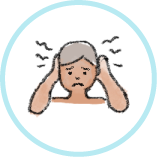 Headache
A headache is pressure or pain in your head that doesn’t go away or that goes away and then returns. Headaches may cause light sensitivity, nausea, vomiting, difficulty sleeping, inability to move around and get things done, and/or a lack of interest or difficulty doing things that you usually enjoy.
Next Steps: Management. Treatment.
Management
A few ways to manage headaches include:
- Identifying what may cause or worsen your headaches (triggers) and recognizing certain patterns. Triggers may include specific activities, timing of certain food or drinks, exposure to noise or smells, other health conditions, and/or medications. There are certain foods, drinks and substances that can trigger headaches, such as caffeine, alcohol, or nicotine.
- Managing your stressors and emotions by identifying things that may cause stress. You may find stress management techniques such as meditation and breathing exercises helpful.
- Prioritizing self-care activities that can help you cope, such as a healthy diet, exercise, and sufficient sleep
- Tracking your headaches and making note of any triggers so that you can share them with your healthcare team. You can track your symptoms with our Symptom Tracker or A Head to Toe Analysis.
Treatment
Talk to your healthcare team if you’re concerned about your headaches, and confirm when and how to report them, including what to do in case of an emergency. Let them know if your headaches get worse, are severe, or don’t improve with self-care remedies. Don’t wait until the headache pain is severe to take medication, as prescribed by your healthcare team.
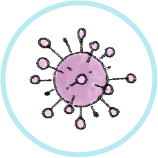 Infections
People with cancer are at higher risk of an infection because of changes in their immune system and the potential effects of treatment. An infection is the invasion and growth of germs in the body (e.g., bacteria, viruses, yeast, fungi) and can begin anywhere and spread throughout the body. A few of the most common signs of infection include fever ≥100.4°F (38°C), chills, sweats, rapid heartbeat, difficulty breathing, cough, diarrhea, ear or sinus pain, headache, stiff/sore neck, dizziness/lightheadedness, skin issues, such as redness, swelling, rash or sores (especially near the genitals, rectum, a catheter, tube or drain), sores on the gums, mouth, throat or tongue, white patches in the mouth or on the tongue, painful, burning, cloudy or bloody urination, sore throat, pain or swelling in the joints, bones, gums, throat or mouth, and/or abdominal or rectal pain. If you have a low white blood count (neutropenia), it’s important to protect yourself from an infection, and a fever is usually the only symptom you may have.
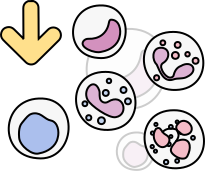
Many cancer treatments and medications can lower your white blood cell count and other cells in the immune system, making people with cancer more susceptible to an infection. Additional factors that can increase the risk of an infection include having a central line, tube or drain, a lengthy hospital stay, a bone marrow, stem cell or organ transplant, mouth or throat sores, poor nutrition, certain health conditions and/or insufficient sleep.
Next Steps: Prevention. Management. Treatment.
Prevention/Management.
A few ways to help lower your risk of infection include:
- Washing your hands often using soap and warm water and/or using hand sanitizer (and asking others around you to do the same)
- Taking a shower or bathing daily and using unscented products
- Managing your stress, nutrition and sleep
- Keeping the area around your catheter clean and dry, if applicable
- Brushing your teeth at least twice daily, checking your mouth for sores and signs of infection, and seeing a dentist every 6 months for a checkup
- Cleaning cuts and scrapes well and keeping them dry
- Staying away from people who are sick and large crowds (wear a mask when leaving your home)
- Avoiding shared toothbrushes, silverware, cups or straws
- Refraining from letting pets lick your face
- Following food safety guidelines, such as making sure food is well cooked, keeping foods at the correct temperature, and washing raw fruits and vegetables well. You may be advised to only eat fruits and vegetables that can be peeled. Don’t eat foods that are expired or smell weird, and avoid buffets and self-serve food stations.
- Wearing protective gloves, if using sharp tools
- Confirming vaccines you should get, timelines and precautions to take while traveling. People with cancer should not get vaccines that contain live viruses or be around people who have just had a live vaccine (chicken pox, polio, or measles).
- Letting your healthcare team know if your bottom is sore or bleeds
Treatment
Notify your healthcare team immediately if you have a fever or signs of an infection, since an infection during cancer treatment can be life threatening. Based on your symptoms, your healthcare team may need to run tests to determine what type of infection you have and where it’s located. Tests may include blood tests, imaging tests (e.g., x-ray, CT scan), body fluid sampling (sputum, urine, stool) or taking a sample of fluid from a wound. Sepsis is a serious condition that can occur if your body overreacts to an infection, causing inflammation, attacking the tissues and organs, and increasing your risk for blood clots. Septic shock is when there are signs of organ damage and common symptoms include rapid heart rate, low blood pressure, confusion, pale, cold, or clammy skin, nausea and/or difficulty breathing.
Common medications to treat infections and potentially prevent infections if you have a weak immune system include antibiotics (bacterial infections), antivirals (viral infections), antifungals (fungal infections), and antiprotozoals (protozoan infections). Growth factors may also be recommended to help the bone marrow produce more white blood cells. Talk to your healthcare team before taking any medications, including aspirin, acetaminophen or ibuprofen, since they can mask signs of a serious issue.
Go to the emergency room or call 911 if you have signs of an infection or sepsis, which include chills, sweats, cold, clammy or pale skin, coughing, difficulty breathing, new or worsening confusion, chest pain, dizziness, lightheadedness, you’re falling down, unable to get out of bed for >1 day, and/or you’re unable to urinate or urinating in small amounts and it’s dark orange or brown.
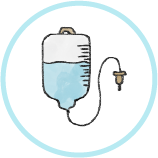 Infusion-Related Reactions
Infusion reactions (immune reactions) are side effects that can occur if your immune system overreacts to a cancer treatment given through an IV (intravenously), such as immunotherapy, chemotherapy or targeted therapy. You’re more likely to have an infusion reaction if you’ve previously had reactions or allergies to other medications. You can have a reaction to a medication at any time, but you’re at the highest risk during the first or second dose of your treatment. Most infusion reactions happen within the first few minutes to hours of an infusion (immediate reaction), while rarely, reactions may occur days to weeks after an infusion (delayed reaction). These reactions can be mild with itching or flushing that goes away on its own, while other reactions have more symptoms.
Symptoms of infusion reactions may include itching, facial/neck redness, rash, hives, fever, chills, back or belly pain, joint or muscle pain, rapid heartbeat, shortness of breath, cough, chest discomfort, nausea, vomiting, diarrhea, dizziness/lightheadedness, and/or sudden and unexplainable anxiety.
Next Steps: Management. Treatment.
If your cancer treatment is more likely to cause an infusion reaction, you may be given premedication before the infusion, such as antihistamines, steroids, or anti-fever medications. The infusion may start at a slower rate to assess your response, and if there are no signs of a reaction, the infusion rate may be increased. Your nurse will continue to monitor you for any signs of an infusion reaction and may ask how you’re feeling, and check your temperature, heart rate, and blood pressure. Be sure to let them know if you’re feeling anything unusual. If you have a reaction and the symptoms do not go away and/or are severe, you may be given hypersensitivity or reaction medicines, depending on the symptoms you’re experiencing, which may include antihistamines, steroids or acetaminophen.
If you begin to have symptoms at home, contact your healthcare team immediately and share what medication you received and when, so that you can be treated as soon as possible. Your treatment will depend on what caused the immune reaction, how severe it was, how long it lasted, if you’ve had a previous reaction and if it improved on its own or with medications. Discuss the risks and benefits of continuing treatment with your healthcare team.
After an infusion reaction, your healthcare team may:
- Treat symptoms with medications
- Order lab or imaging tests
- Adjust the dose or rate of future infusions
- Skip the next infusion until your symptoms improve or suggest changing treatment
- Suggest rechallenging, which is giving the treatment that caused the infusion reaction again while taking precautions, such as adding additional or different premedication. They may also try desensitization, which uses small, repeated exposures to build up your tolerance to the medication. Desensitization may be recommended if you’re still having infusion reactions after slowing the infusion and taking premedication or if you had signs of anaphylaxis during a previous infusion. Rechallenging may be coupled with desensitization.
 Loss of Appetite
A common symptom of cancer and cancer treatment is a loss of appetite that can cause you to eat less than you normally do, lose weight, and/or make you feel tired or weak. You may have little to no interest in food and even turn down your favorite foods. A loss of appetite can affect your ability to do your day-to-day activities and overall quality of life. Cachexia is when people with cancer completely lose their appetite, which can lead to weight loss and muscle loss.

Next Steps: Management. Treatment.
Management
It’s important to eat well as you manage cancer, treatment, and side effects to keep your energy levels and strength up and to make you feel better.
Below we’ve provided you with a few recommendations to help you deal with appetite changes:
- Try eating small meals and snacks throughout the day instead of 3 larger meals at set times. Eat your favorite foods anytime you feel hungry (even if it’s breakfast foods at night)! Eat foods that are cold or at room temperature if the smell bothers you.
- Keep a variety of nutrient and protein-rich foods that are easy to prepare available
- Stay hydrated to avoid dehydration. Drink fluids between meals and only take small sips while eating to prevent you from feeling full early.
- Try making the experience more enjoyable by eating with friends/family, playing music, or watching TV.
- Try and stay as physically active as you can with light exercise, such as walking, which can help increase your appetite.
- Take medications ~30 minutes prior to eating if you have nausea or pain.
Treatment
Notify your healthcare team as soon as you experience any changes to your appetite, to ensure you get enough foods and fluids and limit any weight loss. Let them know if you’re feeling sick to your stomach and can’t eat for a day or more, vomiting for >24 hours, are unable to drink or keep liquids down, have lost 3 or more pounds in a week or less, haven’t urinated for a day (and it’s a small amount, smells strong, or is dark-colored), and/or you haven’t had a bowel movement for 2 or more days. They may prescribe medication to help increase your appetite or treat other symptoms that are making it more difficult for you to eat. They may also recommend that you work with a registered dietitian or nutritionist to help you replenish nutrients.
 Mental Health
A cancer diagnosis may have an impact on the mental health of people with cancer–before, during and after cancer treatment. It’s normal for you and/or a loved one to experience a roller coaster of emotions throughout treatment, and feel afraid of the unknown, overwhelmed, anxious, sad, depressed, angry, lonely and/or socially isolated (among other emotions). Cancer-related mental distress is a term that’s used to describe these feelings and the emotional, mental, social and spiritual impact they can have on the way you think, feel or act. You may wonder “why me” and feel like your life seems out of control. You may experience cancer-related mental distress because you have concerns about your future, family, relationships, finances, fertility and/or sexual function. You may also feel distress as a result of treatment, side effects, an increase in health needs, body image or intimacy insecurities, fear of recurrence and/or survivor’s guilt.
Mental distress can worsen the side effects of cancer and cancer treatment and may have a negative impact on health outcomes, which is why screening, discussing mental health issues with your healthcare team and management are an important part of your cancer care.
Your healthcare team may ask you questions to better understand your thoughts and feelings, the frequency of your feelings, any physical symptoms connected to your distress and how they affect your daily life, and if you’re considering hurting yourself or others. Many cancer teams routinely use a distress thermometer to help you describe how much distress you experienced during the past week, using a 0-10 scale.
The most common types of cancer-related mental distress include anxiety, depression and stress disorders:
- Depression, one of the most common types of mental distress, is characterized by a persistent feeling (≥ 2 weeks) of sadness and loss of interest. Additional symptoms may include persistent feelings of hopelessness, lack of concentration, changes in sleep, appetite or movement, restlessness, guilt and/or suicidal thoughts.
- Anxiety is characterized by feelings of fear, uneasiness or dread, and can also include symptoms such as nervousness, excessive worrying, restlessness and/or irritability.
- Stress disorders, such as post-traumatic stress (PTS), can occur after a serious event like cancer, and may include symptoms, such as nightmares, flashbacks, extreme caution or sensitivity, changes in sleeping patterns, self-isolation, guilt and/or shame.
Next Steps: Management. Treatment.
Management
Mental health can be difficult to talk about, but learning to manage and cope with distress is an important step, since it can have a major impact on different aspects of your life. There are many forms of support that can help you manage your mental health and cancer-related mental distress.
A few tips include:
- Leaning on your support system, such as friends, family or pets for emotional and social support, which has been shown to reduce levels of depression, anxiety, and treatment-related symptoms
- Speaking to a therapist, which can help you learn new coping skills and identify and reframe any negative thought patterns or feelings
- Connecting with others who’ve gone through similar experiences, which can help you build a sense of community, whether it’s an online forum or live support group
- Reflection, thinking about what has helped you during difficult times in the past, and writing down your thoughts and feelings in a journal can help you process what you're going through
- Asking questions and seeking information can help you conquer fear of the unknown, which can be a major source of stress
- Finding community resources or support with the help of a social worker or navigator can help you manage challenges with finances, insurance, transportation, work or school
- Doing light physical activity under the guidance of your healthcare team can help relieve stress, anxiety and depression
- Knowing that it’s OK not to always feel positive since a component of healing is allowing yourself to experience all of your emotions—both good and bad
- Keeping track of your symptoms using our Symptom Tracker and/or A Head to Toe Analysis, so that you can share details with your healthcare team
Treatment
Talk to your healthcare team about emotions you’re experiencing. Managing and treating distress is personal and depends on your situation, previous mental health history, lifestyle, and specific needs. Treatment may include a combination of strategies to help alleviate symptoms and improve your quality of life, such as lifestyle changes, support from friends, family and peer groups, psychotherapy (talk therapy), complementary therapy, palliative care, medication and/or referrals to other healthcare team members (e.g., psychologist, psychiatrist, chaplain, social worker, caseworker).
We’re all different and not every treatment will work for you so it’s ideal to have more than one tool in your toolbox and be honest with your healthcare team about how you’re feeling so that if one treatment strategy isn’t working, another one can be recommended. There usually isn’t one simple fix for distress and some treatments may work one day and not the next.
 Psychotherapy
Psychotherapy (talk therapy) uses discussion, listening, and counseling to treat mental health issues and a few types include:
- Cognitive behavioral therapy (CBT) teaches you how to identify negative thoughts, process your feelings, and apply relaxation techniques and healthy coping strategies. Acceptance and commitment therapy is a form of CBT that focuses on mindfulness to help you acknowledge negative thoughts, feelings and actions without trying to change them.
- Interpersonal therapy looks at the connection between your distress and relationships.
- Eye movement desensitization and reprocessing therapy combines talk therapy and directed eye movements to help your brain heal from previous life experiences.
- Exposure therapy helps you to confront and cope with your triggers (things that may remind you of a past trauma and cause a reaction emotionally).
- Family/couples therapy emphasizes positive communication to reduce distress and improve relationship satisfaction.
- Supportive therapy includes group or peer therapy with others who have/had cancer.
Complementary therapies
Complementary therapies are supportive methods that can be used alongside standard treatment to help relieve distress and improve quality of life, during and after treatment. This may include mindfulness-based activities, such as meditation, yoga, tai chi, qigong, breathwork, progressive muscle relaxation, massage, hypnosis, reflexology, acupuncture, and/or creative therapies (e.g., art, writing, dance, music). Mindfulness means being present with your thoughts, emotions, body, and surroundings to help you to feel connected to the present moment and the world around you.
Palliative care
Palliative care, which is a standard part of care that focuses on improving your quality of life, may be recommended by your healthcare team to help you manage your distress.
Medications
Medications may also be recommended by your healthcare team. Antidepressants can help with depression, anxiety, pain, and sleep issues by altering the amount of specific chemicals in your brain (e.g., serotonin, norepinephrine). Benzodiazepines can help if you’re feeling overwhelmed or can’t stop worrying and can work quicker than antidepressants, but can be habit-forming.
Additional medication that may be used to treat anxiety include buspirone (increases levels of serotonin and dopamine), hydroxyzine (antihistamine that increases levels of serotonin), and certain beta blockers that may be used off-label for performance anxiety.
Selective serotonin reuptake inhibitors (SSRIs) are the most common type of medicine for depression, and they stop your body from absorbing chemicals called neurotransmitters that affect depression. Some SSRIs may also be used to treat anxiety, PTSD, among other disorders. Serotonin-norepinephrine reuptake inhibitors (SNRIs) and norepinephrine-dopamine reuptake inhibitors (NDRIs) are additional medications that may be prescribed. Antipsychotics may help reduce severe flashbacks in people with PTS. Light therapy uses a special light daily for ≥30 minutes to help with many types of depression (not just seasonal). If you have treatment-resistant depression, your healthcare team may also consider brain stimulation therapies, which use electricity to activate or inhibit parts of the brain.
If you or a loved one are in distress or thinking about hurting yourself, please contact the 988 Suicide & Crisis Lifeline (24/7, free of cost and confidential) by calling 988 or 1-800-273-TALK (8255) or texting “HELLO” to 741741. For immediate help, call 911 or go to the ER.
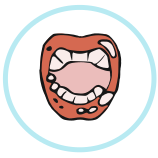 Mouth Sores
The most common cause of mouth sores is cancer treatment, which can damage cells that line the mouth and throat. Mouth sores can appear like blisters, cracks, or ulcers, and may be red or have white patches. They may cause symptoms, such as mild to severe pain, difficulty chewing and swallowing, loss of appetite, weight loss, swelling and redness in mucosa (inner lining) of the mouth or tongue and/or bleeding, dryness, or infections in the mouth.
Infections, dehydration, poor mouth hygiene, alcohol or tobacco use, and insufficient vitamins or protein may cause or make mouth sores worse. Mouth sores can develop 1 to 2 weeks after treatment and then come and go throughout treatment. It can take 2 to 4 weeks for sores to heal after you complete treatment.
Next Steps: Prevention. Management. Treatment.
Prevention and Management
Preventing and treating mouth sores early on is the best way to manage them. Having good dental hygiene by keeping your mouth clean and hydrated is the best way to prevent mouth sores and lower the risk of infection. You may want to visit a dentist for a dental checkup and tips on how to care for your mouth before you begin cancer treatment to help prevent and minimize mouth sores, oral infections, and treat cavities. Talk to your healthcare team about a mouth care plan that’s right for you, including a timeline, as well as any of your dentist’s recommendations before starting treatment.
Below are a few recommendations for preventing and managing mouth sores:
- Stay hydrated, using a straw, and confirm the target amount of fluids with your healthcare team.
- Use bland mouth rinses, such as baking soda, salt water, or saline, avoiding any with alcohol. Be sure to confirm with your healthcare team first, since some can be harmful and worsen mouth sores.
- Use a toothbrush with soft bristles or a foam swab to clean your mouth, and confirm that you’re able to floss your teeth.
- Check your mouth twice a day with a flashlight, mirror and gauze-wrapped tongue depressor.
- If you wear dentures, ask your healthcare team if you should continue to wear them while waiting for sores to heal. You may be advised to remove and clean them during mouth care, taking them out at night and between meals, or wearing them less.
- Keep your lips moisturized and use a lip balm.
- Try chilled foods/fluids such as ice chips, popsicles, frozen yogurt, sherbert, or ice cream.
- Eat foods that are soft, not too dry, and easy to swallow, such as foods mashed or pureed in a blender.
- Eat smaller, bland meals more frequently.
- Avoid raw vegetables and fruits and hard, dry, or crusty foods, such as chips and pretzels.
- Avoid spicy foods and acidic fruits and juices, such as tomato, grapefruit, orange or lemon.
- Avoid alcohol and tobacco.
Keep track of your symptoms, including changes in taste or how your mouth looks or feels, using our Symptom Tracker or A Head to Toe Analysis so that you can share details with your healthcare team.
Treatment
Your healthcare team may recommend solutions or medications to prevent or manage mouth sores, which include a solution or steroid mouth rinse to relieve painful mouth sores, an antibiotic mouth rinse to treat an infection, pain medication that can make it easier to eat and drink (mouth rinse, pill or patch), and/or a growth factor drug to help stimulate oral tissue.
Notify your healthcare team if you have mouth redness or shininess that lasts >2 days, a “cut” or sore in your mouth, sores that prevent you from taking medication, white patches on your tongue or inside of your mouth, a temperature of 100.4°F (38°C) or higher, your gums are bleeding and/or you’re unable to eat or drink much in the past 2 days.
 Nail Changes
Different cancer treatments may damage or change the appearance, color, texture and/or health of your fingernails and toenails. A few common nail changes include weaker nails that are thin and not as strong, which can lead to breakage, painful and sensitive nail beds or cuticles, dry or cracked skin around the nails or cuticles, nail and nail bed color changes, such as yellowing, discoloration, or over-pigmentation, irregular nail marks, such as ridges, spots, pits, or splitting, nail plate issues, where nails lift or fall off, nail growth issues, inflammation and/or nail infections. Additional nail changes may include Muehrcke lines (pairs of white lines that move as your nail grows), Mees’ lines (horizontal white line across the nail that doesn’t move as it grows) or Beau’s lines (horizontal grooves or ridges on nails).
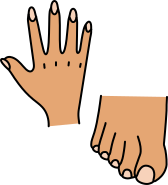
Although many of these nail changes are temporary and improve after you complete treatment, some changes may last longer and can be permanent. Talk to your healthcare team about any of these potential changes so you understand how to manage them and keep your nails healthy during and after treatment.
Next Steps: Prevention. Management. Treatment.
Prevention and Management
Below are a few ways to help prevent and manage nail changes:
- Check your hands and feet for any changes every day.
- Protect your hands and feet by avoiding pressure, friction or injury to your nails and wearing gloves and shoes during activities, such as cleaning the house.
- Use gentle soaps and lotions, avoiding products with harsh chemicals and fragrances.
- Keep your nails short and clean. Don’t get manicures/pedicures, cut your cuticles or use nail polish remover or hardeners. You can ask your healthcare team if they have any recommended products that you can use.
Treatment
Notify your healthcare team of any changes to your fingernails or toenails, since treatment depends on what symptoms you’re experiencing. Talk to them prior to starting/stopping medications, supplements or treatments. If you have nail pain or swelling (that may be caused by an infection), your healthcare team may recommend daily vinegar nail soaks (equal parts white vinegar and water) or over-the-counter medication, such as non-steroidal anti-inflammatory drugs (NSAIDs). If you have an infection, antibiotics, antifungals, steroids, NSAIDs, or other medications may be prescribed. If you are experiencing minor non-painful nail changes such as weakness, splitting, or ridges, a prescription nail polish or water-soluble nail lacquer may be recommended to protect your nails. Biotin (a dietary supplement that strengthens nails) may also be recommended. If your nail bed is lifting (onycholysis) and it’s painful, you may need to have the nail surgically removed.
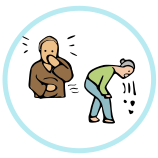 Nausea/Vomiting
Nausea (feeling queasy and sick to your stomach) and vomiting (throwing up food/liquid) are two of the most common side effects of cancer treatment that many people may experience. Retching, also known as dry heaving or gagging, is when you try to throw up but nothing comes out. The symptoms of nausea and vomiting include fatigue, appetite loss, weight loss, dizziness, weakness, belly, bloating, headache, dehydration and/or not urinating as much as usual. Aside from cancer treatment, nausea and vomiting may also be caused by dehydration, medications to treat side effects or other health issues, bowel obstruction, constipation, infections, anxiety and/or pain.

Nausea and vomiting can have an impact on your ability to function normally, quality of life, and your physical and mental health so it’s important to discuss various methods to prevent and manage these issues with your healthcare team. There are factors that can influence the likelihood of nausea or vomiting, such as treatment dose or how it’s administered.
There are a few different types of nausea/vomiting, which include:
- Acute: This occurs minutes to hours after treatment and usually goes away after a day.
- Delayed: This is more common, occurring >24 hours after treatment and can last for several days.
- Anticipatory: This occurs before treatment when you see, hear, or smell something that your brain connects with nausea/vomiting, and can happen if nausea/vomiting weren’t well controlled during previous treatment.
- Breakthrough: This occurs despite prevention with antiemetic.
- Refractory: This is when medication to prevent/control nausea or vomiting isn’t working.
Next Steps: Management. Treatment.
Management
Below we’ve provided a few helpful tips to help you manage nausea:
- Stay hydrated by sipping liquids slowly throughout the day. Cold and clear liquids, such as ginger ale, apple juice, broth, tea, etc. are usually the easiest on your stomach. You can also try electrolyte supplements and low-sugar sports drinks to help replace important minerals.
- Eat small meals throughout the day, since an empty stomach can make your nausea worse.
- Try bland foods, such as crackers, toast, broth, rice, applesauce, bananas, or plain yogurt.
- Try eating small amounts of foods that are higher in calories and easier to consume, such as pudding, ice cream, yogurt, and milkshakes. Avoid foods that are fried, spicy, acidic, fatty, and/or greasy/oily.
- Sour foods such as pickles, lemons/limes, or sour candy, as well as ginger, can help with nausea.
- Hard candy, such as lemon drops or mints can help eliminate bad tastes.
- When taking medications, eat something light (e.g., pretzels or crackers) unless they should be taken on an empty stomach.
- Avoid strong smells by eating foods that are cool or at room temperature in a cool and well-ventilated space. Also avoid scented items, such as candles, hair products, and perfume.
Below we’ve provided a few helpful tips if you’re vomiting:
- Take antiemetic when you first feel nauseous to prevent vomiting, and make sure that it’s a form of medication you can keep down (e.g., dissolving tablet, suppository).
- As you wait for the medication to work, take slow, deep breaths and relax.
- After you vomit, sit and rest for 15-20 minutes to let your stomach settle.
- Lay on your side if you’re in bed to avoid inhaling vomit.
- After eating, sit upright for at least an hour, since lying down can cause indigestion.
- Don’t drink or eat until you’ve stopped vomiting. After you’ve given your stomach time to settle, suck on ice chips or frozen juice chips. You can then ease into small amounts of clear liquids and bland foods, such as Jell-O, broth or Pedialyte.
- Rinse your mouth with a mix of ¼ teaspoon of baking soda (to neutralize the stomach) and 1 cup warm water if you have a bad taste in your mouth.
- Soothe your stomach with hard candy, gum, a popsicle, or lollipop, which helps produce saliva and aids with digestion.
Keep track of when you experience nausea and/or vomiting using our Symptom Tracker or A Head to Toe Analysis so that you can share details with your healthcare team.
Treatment
It’s much easier to prevent nausea and vomiting than it is to control it after it starts, and you can work with your healthcare team to develop a plan. Although anti-nausea and vomiting medications (antiemetic) are the main treatments for nausea and vomiting, there are other non-medical practices that may be explored with the guidance of your healthcare team, alongside standard treatment. Integrative medicine combines standard medical care (e.g., medications) with complementary approaches in a coordinated way to care for the whole person. Complementary therapies are supportive methods that can be used alongside standard treatment to help relieve symptoms of treatment.
Complementary therapies that can help you manage nausea and vomiting include:
- Music therapy: Music therapists use music to help people with symptoms, encourage relaxation, and improve quality of life.
- Relaxation Techniques: These are activities that can help decrease nausea, vomiting, anxiety, stress, and tension in the body, and include meditation, breathing exercises, and muscle relaxation. Biofeedback is a method that may be used to support relaxation techniques and uses devices to track body functions, such as heart rate and blood pressure. Guided imagery is a relaxation technique where a person visualizes positive mental images, which can reduce anxiety that’s associated with nausea and vomiting.
- Acupuncture: Thin needles are inserted into the skin at specific areas of the body by a licensed technician to help control symptoms, such as nausea.
- Acupressure: This practice applies different amounts of pressure or massage to certain areas of the body to help control symptoms, such as pain or nausea.
- Aromatherapy: This method uses plant oils with strong, pleasant scents to promote relaxation, which can be inhaled, rubbed on the skin, or dabbed on a cold cloth that’s placed on the head.
- Hypnosis: This method is guided by a trained therapist to create a state of intense attention to make you more focused on particular thoughts, feelings and behaviors to help you control how your brain and body respond to symptoms, such as pain, stress, anxiety, and nausea.
- Cognitive Behavioral Therapy: This method helps you manage the relationship between your emotions, thoughts, and behaviors.
There are many medicines that are often combined to help prevent and manage nausea and vomiting, which are caused by different pathways in your body, such as the brain or digestive tract (esophagus, stomach, intestines). Antiemetic are medications that help to block these pathways and are grouped together by how they work in your body. Your healthcare team may consider a few factors when deciding which antiemetic is best for you, including your cancer treatment and how likely it is to cause nausea/vomiting, the severity of the nausea/vomiting, and any previous medication history.
Different types of antiemetic that may be combined to prevent/treat nausea and vomiting include serotonin (5-HT3) antagonists, NK-1 receptor antagonists, steroids, and/or Olanzapine. Antiemetics come in different forms, including tablets, capsules, oral liquid, injections, transdermal patches (placed on your skin), and rectal suppositories (inserted into the rectum). If antiemetic drugs aren’t working, your healthcare team may recommend other treatment options or dosing schedules for breakthrough nausea and vomiting.
Notify your healthcare team if you have been vomiting for 24 hours or more, haven’t eaten in more than 2 days, can’t keep fluids down, are unable to take your medications or the anti-nausea medications aren’t working, lose 2 or more pounds within a day or two, inhaled your vomit, have dark yellow urine, and/or aren’t urinating as much as usual. Call 911 or go to the emergency room if you’re vomiting blood or material that looks similar to coffee grounds, or if you become weak, dizzy, or confused.
 Pain
Pain
Your body uses pain to let you know that something is wrong, and only you know when you have pain and how it feels. Pain can be described as feeling sharp, dull, burning, throbbing, tingling and/or muscle tightness or stiffness. The experience of pain can be different for each person with cancer and can fluctuate throughout the day, shift in intensity, and/or change over time. You may feel it in one place or different parts of your body.

Cancer-related pain may be caused by tumors that grow and put pressure on other body parts, bone pain, spinal cord compression, surgery, chemotherapy, radiation, different procedures or tests, nerve damage (peripheral neuropathy), and/or phantom pain (pain you feel in a body part that’s not there). Cancer pain is often referred to as acute pain (severe, quick, and short lasting; usually a sign of injury that goes away as the injury heals), chronic pain (rapid onset or comes on slowly; ranges from mild to severe; lasts longer than 3 months), or breakthrough pain (may occur even though you’re taking pain medication regularly).
Next Steps: Management. Treatment.
Management
Since pain can affect your daily function and overall quality of life, it’s important to share how you're feeling with your healthcare team so that they can develop a pain control plan that’s best for you. Your healthcare team will start with a pain assessment by taking a detailed history and asking you questions about your pain, performing a physical exam and potentially recommending other tests to determine the cause of the pain. To help you share details with your healthcare team, it’s helpful to keep track of your pain in detail using our Symptom Tracker or A Head to Toe Analysis.
To help your healthcare team better assess your pain and determine next steps with pain management, it’s helpful to share the following:
- Where do you feel the pain? What does the pain feel like? Use detailed words to describe the pain, such as sharp, burning, gnawing, throbbing, shooting, etc. How long does the pain last?
- What makes the pain better or worse?
- How does the pain affect your daily life? What activities are you not able to carry out because of the pain? How does it interfere with activities like eating, sleeping, work, or sex?
- How would you rate the pain on a 0 (no pain) to 10 (worst pain) scale throughout the day?
If you’re taking pain medication or using other pain relief methods:
- What is the name and dose of the medication? What time did you take it?
- Did you experience any side effects from the pain medications?
- Did you use any other pain relief methods (e.g., relaxation techniques, etc.)? If yes, what time?
- How would you rate the pain on a 0-10 scale at the time you take pain medications and/or try other pain relief methods? How would you rate the pain after?
- How long did the pain medication or pain relief methods work for you?
- What pain medications have you taken in the past and what has/hasn’t worked?
- Are you taking any other medication, vitamins, minerals, herbs, supplements or over-the-counter medicines? Do you have any known allergies?
Treatment
There are different ways to treat pain, and you can work with your healthcare team to develop a pain management plan that’s best for you, which may include supportive or palliative care, different types of pain medications, treatment to alleviate pain signals, integrative medicine, and complementary therapies.
Supportive/Palliative Care
Palliative care is a standard part of care that focuses on improving quality of life by looking at how the cancer experience is affecting the whole person to help prevent and relieve symptoms and pain, as well as manage any mental, physical, emotional, social, and spiritual issues.
Medication
There are also medications that can be provided to alleviate pain, which can be given in different ways, depending on the type of pain, location, and severity. It’s important to talk to your healthcare team about how to safely take your medication.
- Oral medications are taken by mouth and can be given as a liquid, pill, capsule or spray.
- Skin patches are sticky and placed on the skin to slowly release the medicine over time.
- Rectal suppositories are medications that are inserted into the rectum and absorbed by the body.
- Injections can be given under the skin with a short needle (subcutaneous injection), deep into a muscle of the arm, leg or buttocks with a medium length needle (intramuscular injection), directly into a vein through a needle, port, or catheter (intravenous injection), into the fluid around the spinal cord (intrathecal injection), or into the space around the spinal cord (epidural injection).
- A pump (patient-controlled analgesia) can be used where you press a button when you need pain relief which sends medicine through a small tube that goes into a vein, under the skin, or area around the spine.
Non-opioid medications may be used to alleviate mild to moderate pain and there are a few different types. Acetaminophen (also known as Tylenol) use should be confirmed with your healthcare team, since it can mask a fever, which is a common symptom of an infection that usually requires immediate attention. Nonsteroidal anti-inflammatory drugs (NSAIDs) treat both pain and inflammation. There are also several medications that may be used alongside other pain relievers, which include antidepressants to treat tingling/burning pain from damaged nerves, anti-anxiety drugs to treat muscle spasms, anticonvulsants to help control tingling/burning from nerve pain, stimulants and amphetamines to help increase pain relief from opioids and reduce drowsiness, and steroids to help alleviate bone, spine, and brain tumor pain, as well as pain due to inflammation.
Opioids (narcotics), are medications that may be used to alleviate moderate to severe pain by attaching to pain receptors and blocking the feeling of pain. A few commonly used opioids include fentanyl, hydrocodone, hydromorphone, methadone, morphine, oxycodone, oxymorphone, tapentadol, and tramadol. Extended-release opioids are long-acting, which means they release small amounts of medicine and provide ongoing relief over a longer period of time. Immediate release opioids are short-acting, which means they take effect faster but provide relief for a shorter period of time.
Additional Treatments
If your pain isn’t well controlled with medication or non-medical methods, your healthcare team may consider other treatment types, such as nerve blocks, neuroablation, nerve stimulation or surgery. A nerve block is a numbing drug that’s injected into or near a nerve or spinal cord to block pain temporarily. There are different types of nerve blocks, which include intrathecal injections (injected into fluid around spine), epidurals (injected into space around layers of the spine) and celiac plexus (injection guided by an ultrasound to relieve pain in abdomen). Neuroablation destroys nerves with radio waves to decrease pain signals.
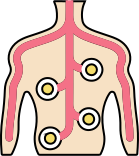
Nerve stimulation therapies are also used to treat cancer-related pain and include transcutaneous electrical nerve stimulation, which uses low-voltage electrical currents applied to the skin; spinal cord stimulation, which uses mild electric currents to block nerves in the spine; and peripheral nerve stimulation, which sends mild currents to nerves outside of the brain and spinal cord through small electrodes. Radioactive injections may be used to help stop the growth of cancer and relieve pain if cancer has spread to many places in the bone. Surgery may also be a last resort option where the nerves that send pain signals to the brain are cut.
Integrative Medicine and Complementary Therapies
There are non-medical ways to manage pain, including integrative medicine and complementary therapies. Integrative medicine combines standard medical care (e.g., medications) with complementary approaches (e.g., massage) in a coordinated way to care for the whole person, while addressing the physical, emotional, social, spiritual and environmental factors that can affect well-being and health. Complementary therapies are supportive methods that can be used alongside standard treatment to help relieve symptoms of treatment.
A few non-medical methods to manage pain, alongside other treatments, include:
- Acupuncture: A technique where thin needles are inserted into the skin at specific areas of the body to control pain and other symptoms.
- Acupressure and Reflexology: The practices of applying different amounts of pressure or massage to certain areas of the body to help control symptoms, such as pain or nausea, over or near your pain, either to the whole body (acupressure), or to the feet, hands, ears, and face (reflexology).
- Biofeedback: A method that uses special devices to track and give instant feedback on certain body functions, such as heart rate, to help people learn to relax and cope with pain.
- Cold or Heat Packs: Switching between hot and cold can help provide pain relief. Cold can help decrease swelling and reduce pain by numbing the area affected, and you can use gel packs or ice bags sealed in plastic. Heat can help you relax sore muscles and alleviate joint stiffness, and you can use gel packs, electric heating pads, or hot baths.
- Emotional Support: Pain can take an emotional toll, and you may want to connect with other people with cancer in an in-person or online support group and/or discuss your feelings with a therapist.
- Hypnosis: This method is guided by a trained therapist to create a state of intense attention to make you more focused on particular thoughts, feelings and behaviors to help you control how your brain and body respond to symptoms, such as pain, stress, anxiety and nausea.
- Imagery Therapy or Virtual Reality: Imagery therapy, also known as guided imagery or guided visualization, uses all of a person’s senses in their imagination to create mental pictures or situations to help the body relax and relieve stress, pain, anxiety and depression. Virtual reality leverages pictures that you can watch through goggles that are connected to a computer and can also help relieve pain.
- Massage Therapy: Kneading, rubbing, and stroking the soft tissues of the body can help relieve pain, stress, fatigue, lower blood pressure, and improve circulation. It’s important to confirm that your massage therapist is familiar with cancer massage since there are health risks associated with massages given by therapists who aren’t trained in cancer-specific needs. Talk to your healthcare team prior to massage therapy.
- Relaxation: This method helps alleviate pain by relaxing your muscles, which can help improve sleep and energy level and reduce anxiety.
- Yoga: This practice balances the mind and body through exercise, meditation (focusing your thoughts), and breathing to help alleviate stress, fatigue, anxiety, and depression.
 Peripheral Neuropathy
Peripheral neuropathy is a condition that’s caused by damage to the peripheral nervous system, which is a group of nerves that send signals between the central nervous system (brain and spinal cord) and other parts of your body. The three main types of peripheral nerves that can be affected are motor nerves, sensory nerves, and autonomic nerves. The side effects depend on the type of nerves that are affected.
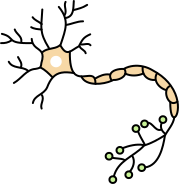
Damage to the motor nerves that help your muscles move may cause muscle weakness that can lead you to lose your balance, trip easily, have difficulty buttoning shirts and opening jars, and experience muscle twitching, cramping or wasting. Damage to the sensory nerves, which help you feel pain, heat, cold and pressure can cause tingling, numbness or a pins and needles sensation in your feet and hands (which can spread to arms and legs) and inability to feel hot or cold sensation or pain. Damage to the autonomic nerves, which control functions such as blood pressure, digestion, heart rate, temperature, and urination can cause digestive changes (e.g., constipation, diarrhea), dizziness (due to low blood pressure), sexual issues (inability to get an erection/reach orgasm), sweating too much/too little, and/or urination issues (e.g., leaking urine or trouble emptying the bladder). The most common cause of peripheral neuropathy is cancer treatment, and symptoms may go away after you complete treatment, but can also last for weeks to years after treatment.
Next Steps: Management. Treatment.
Management
Recommendations to prevent and manage the symptoms of peripheral neuropathy and protect yourself include:
- Drinking at least 8 cups of water a day
- Eating fruits, vegetables, and whole grains to get enough fiber
- Avoiding alcohol
- Controlling your blood sugar, if you have diabetes, since high blood sugar levels can damage your nerves
- Preventing falls by moving rugs out of your path, putting mats in the shower or tub and rails on walls and the bathroom
- Wearing sturdy shoes with soft soles and getting up slowly after sitting/lying down
- Protecting your hands and feet by wearing shoes that aren’t too tight (inside and outside), using special inserts, wearing gloves when you clean, do repairs or are outside in the cold, and checking your feet daily for injuries or open sores
- Being careful when using sharp objects, such as knives or scissors
- Protecting yourself from heat injuries by setting your hot water heater to 105°-120°F and using gloves and hot pads when handling hot pans and dishes
- Avoiding extreme temperatures (hot and cold)
- Trying physical therapy, yoga, massage, or acupuncture to reduce pain under the guidance of your healthcare team
Keep track of your symptoms, changes in how you’re feeling and any impact on daily life using our Symptom Tracker or A Head to Toe Analysis so that you can share details with your healthcare team.
Treatment
Let your healthcare team know if you have difficulty walking or holding objects, and if medications are/aren’t working. If peripheral neuropathy worsens over time, it can cause changes in your heart rate and blood pressure and/or lead to falls, and/or difficulty breathing or moving around on your own. Treatment depends on what is causing peripheral neuropathy, and is focused on alleviating symptoms you may experience. Your healthcare team may need to delay or stop treatment that’s causing peripheral neuropathy, reduce treatment dose or recommend additional medication. More than one treatment may be needed, such as numbing patches or creams that can be placed on the painful area, an anticonvulsant medicine to treat seizures and nerve pain, opioids or narcotics for severe pain, and/or an antidepressant to treat anxiety, depression, and alleviate pain.
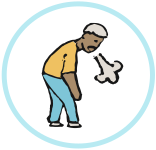 Shortness of Breath
Cancer and cancer treatments may cause shortness of breath or feeling like you can’t catch your breath, which is also known as dyspnea. When you have difficulty breathing, you may not be getting as much oxygen as your body needs because your lungs aren’t taking in enough air or your body can’t get enough oxygen through the bloodstream.
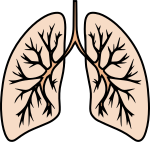
Symptoms may include difficulty breathing while resting, eating, talking, or exercising, chest pain or discomfort, rapid breathing or heartbeat, pale/bluish skin, fingernails, or mouth, cold/clammy skin, nostrils that flare when inhaling, and/or wheezing. Additional causes of shortness of breath include changes in blood counts, anemia, stress, anxiety, poor nutrition, lack of physical activity, fluid in/around the lungs or heart, tumors in or near the lungs, lung or breathing disorders, a blocked airway, lung infection (pneumonia), infusion or allergic reaction, obesity, and/or weakened breathing muscles.
Next Steps: Management. Treatment.
Management
There are a few things you can do to manage shortness of breath:
- Remain calm. Inhale deeply through your nose, and exhale through your mouth with pursed lips.
- Check your temperature and pulse.
- Sit up or raise your upper body to a 45° angle with pillows.
- Try muscle relaxation to reduce anxiety.
- Make note of what your sputum looks and smells like, if you’re coughing and spitting.
Treatment
Notify your healthcare team if you have difficulty breathing, chest pain, thick, yellow/green or bloody sputum, cold/clammy skin, pale/bluish skin, nails or mouth, atypical temperature, flared nostrils while breathing, swelling of the face, neck, or arms, feel confused or restless, and/or you’re wheezing. Take recommended medications and treatments as prescribed, such as oxygen, inhalers, nebulizers and/or wheezing medication. Call 911 or go to the emergency room if you experience shortness of breath that starts suddenly and doesn’t get better, you have pale or blue skin, mouth or nails, you have chest pain or discomfort, feel dizzy or weak, and/or have difficulty speaking.
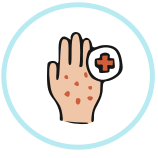 Skin Issues
Many types of cancer treatment may cause skin changes, which are one of the most common symptoms. Skin changes and rashes can appear on the scalp, face, neck, chest, upper back and other body parts. Most skin changes develop within a few weeks of treatment, although they can occur at any time. Symptoms may include pain, discomfort, skin sensitivity, dry, rough, scaly or flaky skin, redness, swelling, pink, red or purple spots that are different sizes or patterns, cracked skin or nails, excessive scratching, sores, ulcers, and/or yellowing of the skin.

Skin changes may be caused by cancer treatment, certain cancers and/or other health issues or medications you’re taking, which are important to discuss with your healthcare team, so you know what to expect. Skin changes caused by chemotherapy or radiation therapy are often mild, and may be more severe with targeted therapy, immunotherapy or stem cell transplants. Changes to your skin are caused by how some of these treatments work. For example, some targeted therapy drugs, known as EGFR (epidermal growth factor receptor) inhibitors, “target” the EGFR protein, which signals the cancer cells to grow. Your normal skin cells have a lot of EGFR protein, and treatment that targets EGFR can also turn off the signal for skin cells to grow normally, making it more difficult to retain moisture. Angiogenesis inhibitors are another type of targeted therapy that target VEGF (vascular endothelial growth factor) proteins, which promote the growth of new blood vessels and help tumors grow. When these proteins are blocked, it can lead to damage in small blood vessels in the hands and feet, which can lead to hand-foot syndrome.
Key Changes to Look Out For
There are a few skin changes to keep an eye on, which include:
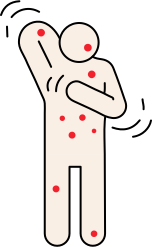
Skin Rash: A rash is the most common skin change you may experience after cancer treatment and can affect the skin anywhere on the body, including the scalp. The most common rashes caused by cancer treatment include: maculopapular rashes, which have flat, raised, pink, red or purple bumps (usually on the face, chest, stomach or back) that may be itchy or uncomfortable; papulopustular rashes, which may be itchy and painful, develop on the chest, upper back or face, and are often associated with EGFR inhibitors; acneiform rashes, which are acne-like, small, red bumps (with or without pus) that develop on the face, scalp, upper chest or back; erythema multiforme rashes, which are raised, round spots that usually have 3 rings and a small blister in the middle (target lesions) and although they can develop anywhere, they often affect the hands, feet or face. Maculopapular and erythema multiforme rashes usually appear as pink/red bumps on people with a lighter skin tone and as purple/brown bumps on people with darker skin tones. Purpura rashes are tiny, flat, pin-point spots caused by broken vessels near the skin surface, which aren’t directly caused by cancer treatment and usually a result of low platelets.
Rashes caused by targeted therapy are mild in most people and often look like acne on the face, scalp, neck, chest, upper back, and in severe cases other parts of the body. Usually, the rash begins with redness and swelling and is at its worst within the first few weeks of treatment. About a month or so into treatment, the skin often crusts and becomes very red and dry. Round, flat or raised red spots and pimples with pus usually appear in the weeks after, which can potentially lead to skin infections. Although the rash can be painful, itchy, and/or burn or sting, it may get better on its own or stay the same throughout treatment, but then go away a month or so after you complete treatment. Chemotherapy may cause a minor rash, while immunotherapy may cause a severe and extensive rash that may be dry and blister. Rashes from radiation therapy may appear on the area of the body where you received radiation within 90 days of treatment.
- Skin Sensation: You may feel like your skin is sunburned, before any rash or redness occurs.
- Light Sensitivity (Photosensitivity): You may be more sensitive to light and your skin may be more easily damaged by UV rays during your treatment. Your skin may burn or blister easily after limited exposure to the sun, or even exposure to the sun through windows.
- Dry Skin: Dry skin, which may also include roughness, brittleness, itching, scaling, flaking, cracking, redness and pain is common after different types of cancer treatment.
- Hand-Foot Syndrome (HFS): Cancer treatment can damage blood vessels in the hands and feet and lead to this skin reaction, which most commonly occurs with targeted therapies. HFS typically occurs during the first 2-6 weeks of treatment, where you may feel tingling, numbness, pain and/or sensitivity. The palms of your hands and soles of your feet may become red (like a sunburn), swollen, and in extreme cases, become sores. You may also experience dry, peeling, or cracked skin. HFS can affect your ability to walk and do normal activities as it may be painful, so it’s important to discuss any symptoms (even if they seem mild) with your healthcare team so it can be treated early.
- Hair Growth Changes: Cancer treatment can change the way your hair grows over time, and it may become thin, dry, brittle, or even curly. You may need to trim eyebrows and eyelashes that become longer, thicker, and curly. Some treatments may also cause bald patches or hair loss. Some people can develop sores on their scalp or hairy areas, which can hinder hair from growing back after treatment. Male facial hair may grow slower.
- Hair, Skin and Nail Color Changes: Cancer treatment may lead to changes in the color of your hair, skin or nails. Targeted therapy may make your hair or skin color darker or give it a yellowish tone, which typically goes away after treatment. Immunotherapy, chemotherapy and/or radiation therapy may also change the color of your skin or nails.
- Eye Changes: Your eyes may burn and become dry or red. Your eyelids may become tender, swollen or turn inward/outward, and your lashes may get crusty. The outer part of the eye (cornea) can be damaged by distorted eyelids or persistent dryness so it’s important to discuss any issues with your healthcare team to avoid further issues.
Next Steps: Prevention. Management. Treatment.
Prevention and Management.
Talk to your healthcare team about things you can do to be proactive and help prevent and manage skin issues, including good skin care and recommended products to minimize issues. Your healthcare team may recommend:
- Taking short showers or baths, using cool or lukewarm water (not hot) and soothing oatmeal bath products and baking soda
- Using mild soaps, deodorants, body washes, shampoos, and hypoallergenic, thick lotions/creams to moisturize (while skin is damp) with no dyes, alcohol or perfume
- Avoiding products with strong perfumes, alcohol or chemicals, including laundry detergent/fabric softeners
- Wearing soft and loose clothing
- Keeping your nails short
- Avoiding hot, humid places
- Protecting your skin and scalp from the sun with sunscreen (≥ SPF 30 with zinc oxide or titanium dioxide), sun-protective lip balm, hats with wide brims or head coverings, loose-fitting long sleeves and pants, and sunglasses with UV protection
- Avoiding acne medication, which can dry out or worsen rashes
- Avoiding scratching or injuring the affected area, which can make the issue worse.
- Soothing irritated skin with a cool washcloth
- Using gel inserts or thick, soft socks if the soles of your feet are tender and wearing comfortable shoes
- Protecting your skin from extremely cold or hot temperatures (e.g., ice packs, heating pads)
- Using an electric razor to avoid injuring your skin and not shaving if your skin is tender or sore
- Keeping track of your symptoms using our Symptom Tracker and/or A Head to Toe Analysis, so that you can share details with your healthcare team
Treatment
The first thing to do if you experience any skin changes or a rash is contact your healthcare team, since rashes can worsen and get infected if left untreated, and they can help figure out the issue and determine the best course of action early on. Notify your healthcare team if you have new or worsening skin changes, rash, or wounds, itching that persists or disrupts sleep, areas of the skin that are rough, bright red or painful, skin that’s open, bleeding or blistered, bruises that don’t go away within a week, yellowish skin or whites of the eyes, and/or skin issues that have drainage, pus or a foul odor. Don’t stop taking any current treatment or use any over-the-counter medicines without confirming with your healthcare team, since they may have specific recommendations.
-
Mild Skin Issues:
You may not need treatment if you have mild skin changes, such as a minor rash that’s not causing any discomfort and isn’t infected. Your healthcare team may recommend heavy skin creams or ointments without alcohol, dye or perfume to help with dryness and/or prescribe a mild corticosteroid cream or antibiotic gel. A warm, wet cloth and careful cleansing may be recommended if you have crusty or swollen eyelids. -
Moderate Skin Issues:
A rash that covers a larger area of your body or skin issues that cause mild discomfort from soreness or itching with no sign of infection may be treated with a prescription cream, gel and/or an antibiotic. -
Severe Skin Issues:
Bad rashes that cover a lot of your skin, causing itching and soreness that affects your quality of life (including sleep issues or pain), may be treated with creams, gels, antibiotics, corticosteroid pills and/or pain medication. Your treatment dose may be reduced and if the rash doesn’t improve, the treatment may be stopped until skin issues improve.
Skin issues are different from an allergic reaction, which tends to happen suddenly within minutes to hours after treatment or taking medication and requires immediate attention. An allergic reaction may include hives (skin welts that are raised), intense itching, face, lips, throat, mouth or tongue swelling, shortness of breath, difficulty breathing, fast/short breaths, pale skin, bluish lips or mouth, coughing, wheezing, rapid or irregular heart rate, chest pain or discomfort, sweating, cold/clammy skin, dizziness and/or chest or throat tightness.
Go to the emergency room or call 911 if you have signs of an allergic reaction noted above or an infection, such as shortness of breath, fever, chills, rapid or irregular heart rate, low blood pressure, new or worsening confusion, and/or you’re not urinating or urinating small amounts and it’s dark orange or brown.
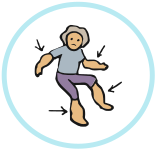 Swelling
Cancer and cancer treatment may cause different types of swelling (edema) based on the area that’s affected and what’s causing it. Edema is the buildup of fluid that gets trapped in your body’s tissues and can develop anywhere in your body. The most common symptom of edema is swelling of a body part due to fluid retention. A few different types of edema include peripheral edema (buildup of fluid in your extremities), lymphedema (buildup of lymphatic fluid), ascites (buildup of fluid in the abdomen) and pulmonary edema (buildup of fluid in the lungs).
Peripheral Edema
Peripheral edema is the most common type of edema and is swelling of the arms, legs, ankles, hands or feet. Symptoms include heaviness and swelling in one or both arms or legs, skin changes (e.g., shiny, puffy, dented), tightness, soreness or discomfort in the swollen area, rapid weight gain, and/or clothing and jewelry feeling tighter than usual. Peripheral edema may be caused by cancer, cancer treatment, medications (e.g., blood pressure medication, steroids, birth control pills, NSAIDs), certain health conditions (e.g., heart, lung, thyroid, liver or kidney issues), and/or a tumor or blood clot that’s blocking or damaging a blood vessel.
Next Steps: Management. Treatment.
Management
Below we’ve provided a few helpful tips to help you manage peripheral edema:
- Avoid standing or sitting in one place for a long time and don’t sit with your legs crossed to prevent fluid from building up in your feet. Elevate your feet to help reduce fluid buildup.
- Limit sodium (salt) in your diet, since sodium can make you retain fluid. You can also ask your healthcare team for a list of specific foods and fluids to avoid.
- Use compression garments (sleeves or stockings) to prevent fluid from building up and help improve blood flow.
- Take short walks and exercise to improve circulation and help move fluid around in the body, with the guidance of your healthcare team.
- Avoid wearing tight clothes, shoes and jewelry.
Keep track of any swelling using our Symptom Tracker or A Head to Toe Analysis, so that you can share details with your healthcare team. Make note of any changes in size, shape, or color of the affected area, including a comparison to the non-affected area.
Treatment
Talk to your healthcare team about swelling that persists and doesn’t go away, since early diagnosis and treatment can prevent it from getting worse. Peripheral edema may be diagnosed during a physical exam, and based on your symptoms, blood tests and imaging tests (e.g., ultrasound) may be ordered to further examine the swollen area. Your healthcare team may also use a grading scale to assess the severity. When you press on a swollen area, it can be described as pitting edema (leaves an indentation when you remove finger) or non-pitting edema (doesn't leave an indentation when pressed). The severity of the edema is then assessed on a 1 (least severe) to 4 (most severe) scale, depending on the depth of the indent (pit) and time it takes to rebound. This grading may also be applied to other types of edema.
Treatment options are based on the cause and severity of your symptoms. Aside from the recommendations to help you manage your symptoms noted above, your healthcare team may prescribe medications, such as diuretics (water pills) that can help your body get rid of fluid. They may also recommend physical therapy, which uses exercises and physical activity to help strengthen your muscles and restore mobility and movement, or occupational therapy, which is rehabilitation that can help you manage day-to-day activities and regain physical function.
Notify your healthcare team immediately if you have severe swelling, which can indicate a more serious health condition and become life-threatening. Go to the emergency room or call 911 if you have shortness of breath, swelling that moves up your arms or legs, a swollen area that’s warm and painful, rapid weight gain, and/or you’re unable to empty your bladder.
Lymphedema
Lymphedema is the buildup of lymphatic fluid (lymph) in the tissues and causes swelling. Lymphatic fluid carries white blood cells and other substances throughout the body and is part of the lymphatic system, which helps the body fight infections and disease. Although lymphedema is most common in the arms and legs, it can occur anywhere in the body. Symptoms of lymphedema throughout the body include swelling, heaviness, fullness or tight feeling in the area treated with surgery or radiation, numbness, tingling or discomfort in the affected area, less joint mobility or flexibility, difficulty getting dressed, feeling that your clothes and jewelry are tighter and/or skin changes (e.g., dryness, discoloration, thickening, hardening, pitting or denting). Symptoms of lymphedema in the arms or legs include fullness, heaviness or tight feeling of the arms, legs, fingers or toes, swelling in one arm or leg that makes it look larger than the other, weakness in the arm or leg, and/or difficulty moving the arm or leg.
Lymphedema may be caused by anything that blocks or changes the flow of lymphatic fluid in the body including cancer, cancer treatment, infections that lead to scarring or damaged tissue, gene changes/mutations involving the lymph system, an injury or trauma to certain body parts, and/or certain health conditions (e.g., heart disease, arthritis, eczema). It can occur during or after treatment and develop suddenly or slowly over months to years.
The risk for lymphedema is higher in cancers where surgery or radiation is part of the treatment plan, since they involve removal or damage to the lymph nodes, which can lead to a buildup of fluid in the area. There are hundreds of lymph nodes throughout the body, which filter substances that travel through the lymphatic fluid and contain white blood cells that help the body fight infections and disease. The more lymph nodes that are removed, damaged or scarred, the higher the risk of lymphedema. The skin around the area where there are damaged or missing lymph nodes is always at risk of infection because lymph nodes are part of the immune system that protects us.
There are four stages of lymphedema:
-
Stage 0
The flow of lymph isn’t moving properly. There is no visible swelling. Mild symptoms may include heaviness, fullness, or tightness in the affected area. -
Stage 1 (mild)
There is visible swelling and symptoms may include heaviness, fullness or tightness in the area, as well as pitting of the skin when it’s pressed. Swelling of the legs and arms may improve with elevation and rest. -
Stage 2 (moderate)
Swelling of the legs and arms doesn’t improve with rest or elevation, and symptoms are worse than stage 1. The swollen area may feel firmer than the surrounding area, and pressing on the affected area doesn’t cause pitting. -
Stage 3 (severe)
There is extreme swelling and skin may be dry, thick, discolored or blistered. Daily activities, mobility, and self-care are often limited at this stage.
Next Steps: Management. Treatment.
Management
Below we’ve provided a few helpful tips to help you lower your risk of and manage symptoms of lymphedema:
- Take care of your skin by protecting it from injuries, cuts and bites, keeping skin moisturized to prevent cracking, wearing gloves while gardening/doing yard work, wearing shoes/socks, avoiding extreme heat on the swollen area (e.g., hot compresses, saunas, hot tubs), and being careful with sharp objects/tools and cutting cuticles.
- Protect your skin from the sun by wearing sunscreen (≥30 SPF), hats, and long-sleeves.
- Promote fluid circulation and drainage of lymphatic fluid by avoiding tight clothes (snug bands/elastic), jewelry or other constricting items that can squeeze the affected area. Wear compression garments that fit as directed, elevate the affected arm or leg (above the heart, if possible) and don’t cross your legs.
- Avoid pressure and don’t carry handbags and other items on the affected arm. Ask for blood draws and blood pressure to be taken from the arm that’s not affected.
- Improve the flow of lymphatic fluid through exercise and maintaining a healthy weight with the guidance of your healthcare team.
- Stay hydrated and avoid fluid retention by drinking plenty of water and limiting your salt intake.
- Ask your healthcare team how to do manual lymph drainage (self-massage) and recommended exercises for your type and area of swelling.
If you are receiving treatment that increases your risk of lymphedema, it's important to look out for any signs and take proactive measures to prevent it from developing, returning, or worsening. Keep track of any swelling and/or signs of lymphedema using our Symptom Tracker or A Head to Toe Analysis, so that you can share these details with your healthcare team.
Treatment
Talk to your healthcare team if you notice swelling or any other changes so that they can examine the affected area. To better understand the cause of swelling and what’s disrupting the flow of lymphatic fluid, they may perform tests such as an ultrasound, magnetic resonance imaging (MRI), CT scan and/or lymphangiography. Non-invasive tests that may also be ordered include perometry and water displacement, which estimate the volume of a limb and a bioimpedance spectroscopy, which measures the amount of fluid in the body to help prevent and detect early stages of lymphedema. The goal of treating lymphedema is to manage symptoms and reduce swelling, prevent infection, improve mobility and function, and relieve discomfort so it’s important to identify any issues early on.
- Early-Stage or Mild Lymphedema: Treatment includes elevation of the affected area, compression garments, exercise and movement to promote fluid drainage, skin and nail care, and manual lymphatic drainage (gentle massage to help move lymphatic fluid out of the affected area).
- Mild to Moderate Lymphedema: Treatment includes complete decongestive therapy, which is a combination of manual lymphatic drainage, compression therapy (treatment with stockings, devices or wraps to improve circulation), skin care, exercises, and elevation.
- Severe Lymphedema: Treatment includes adding intermittent pneumatic compression to the treatment plan, which is a type of compression therapy where a sleeve or stocking is applied to the affected area and inflated, applying pressure that moves fluid out. Surgery may also be recommended if other treatments haven’t worked.
You may work with a physical therapist, occupational therapist, nurse or certified lymphedema therapist in applying these specialized techniques. Physical therapy uses exercises and physical activity to help strengthen your muscles and restore mobility and movement. Occupational therapy is rehabilitation that helps you regain any mental or physical function in carrying out daily activities. Coping with lymphedema can be challenging, physically and emotionally. You may feel isolated and uncomfortable with your appearance. Working with a certified lymphedema therapist can help you adjust and manage the challenges that come along with lymphedema.
Notify your healthcare team if you have signs of lymphedema or cellulitis (skin infection), such as chills, sweats, muscle pain/aches, nausea or dizziness, have a fever, there’s new or worsening pain in the affected area, the affected area is red, swollen or feels hot, and/or you have lymphedema and get a cut, bite, or injury to the area.
Ascites
Ascites is the buildup of peritoneal fluid in the abdomen (belly). The peritoneum is the lining that surrounds the abdomen. The most common sign of ascites is a swollen/hard belly. Additional symptoms include belly pain or discomfort, nausea/vomiting, shortness of breath, coughing, rapid/sudden weight gain, clothes that become too tight, appetite loss, constipation, fatigue, fever, swelling in the ankles or legs, feeling full quickly, heartburn, indigestion, and/or frequent or urgent urination. Ascites is most commonly caused by cirrhosis and other liver issues that can lead to scarring, which slows down the liver’s ability to filter blood and causes fluid back up over time. Ascites may also be caused by certain cancers, tumors in or around the abdomen, kidney issues, heart failure or an infection.
Next Steps: Management. Treatment.
A few ways to manage ascites include avoiding alcohol (which can affect the liver), limiting or avoiding salt intake (which can lead to fluid retention), and checking in with your healthcare team for recommended food/drinks and prior to taking any non-steroidal anti-inflammatory drugs (which can cause swelling and harm the liver).
Keep track of any swelling and symptoms of ascites using our Symptom Tracker or A Head to Toe Analysis, so that you can share these details with your healthcare team.
Treatment
If ascites is suspected, a physical exam will be performed and the ascitic fluid will often be tested to help determine the potential cause. Imaging tests, such as an ultrasound, CT scan or MRI may be ordered to check if the tissues and organs in your abdomen are surrounded by excess fluid. A diagnostic paracentesis may be used to collect a small amount of fluid with a needle and cytology testing will be used to determine what’s causing fluid buildup and if it’s malignant ascites. Treatment for malignant ascites is based on the type and extent of your cancer, as well as the severity of your symptoms. A therapeutic paracentesis, procedure where a needle is inserted into the abdomen to drain excess fluid, may also be done to manage your symptoms if ascites persists or the cancer can’t be treated. A peritoneal drain or catheter is also an option, where a small tube is surgically inserted into the abdomen and a drain is used to remove fluid for as long as needed. Medications, such as diuretics (water pills) may be prescribed to help your body rid of fluid in your abdomen and other areas of the body. Some cancer treatments may also help alleviate symptoms.
Notify your healthcare team if you have new or worsening symptoms, swelling in your belly that gets worse, weight gain (>10 pounds in one week) or have fevers or other signs of an infection. Go to the emergency room or call 911 if you have difficulty breathing, chest pain, notice swelling that’s red, warm, or leaking fluid, and/or can’t urinate or eat for a day or more.
 Weight Changes
Weight Loss
Weight loss is common during cancer treatments. It may be caused by eating less as a result of nausea or appetite loss, diarrhea, vomiting and/or dehydration. Symptoms of weight loss include unintentional weight loss, feeling weak, not having the strength to do your typical tasks, dizziness, thirst and/or loose clothes or rings. Losing too much weight can increase your risk for infection and fatigue and make it more difficult for you to manage other side effects of treatment. Cancer cachexia is when people with cancer have lost a lot of weight and have difficulty eating.
Next Steps: Management. Treatment.
To help you manage unintended weight loss, we’ve provided a few helpful food and fluid tips below:
- Drink fluids between meals (not during), so that you don’t get full too quickly. If you have diarrhea, drink at least 1 cup of fluid after each loose bowel movement to stay hydrated. Eat several smaller meals and snacks throughout the day.
- Choose meals, snacks and drinks that are high in calories and protein, such as nuts, trail mix, dried fruit, granola, peanut butter, hard-boiled eggs, cheese, smoothies, milkshakes and nutritional supplements.
Notify your healthcare team if you aren’t able to drink or eat as much as usual, lose more than 3 pounds in a week or less, unintentionally lose more than 5% of your body weight in a year, feel weak, very tired, or dizzy, and/or you’re unable to perform your typical activities or eat and drink as much as usual. Let them know if nausea or pain is what’s keeping you from eating or drinking, as they may be able to recommend medication to manage these symptoms. They may also recommend a registered dietitian or nutritionist that can help develop a plan that works for you.
Weight Gain
Cancer treatment may also lead to weight gain. Symptoms of weight include an increase of ≥5 pounds in a week or less, swollen ankles, shortness of breath, feeling puffy or bloated, and/or tight shoes, clothes, or rings. Weight gain can cause fatigue, nausea, food cravings, lowered metabolism and/or menopause. Certain types of cancer and cancer treatments may lead to your body holding on to extra fluids, called edema, which can lead to weight gain. Fluid build-up can occur in fatty tissues under your skin, most often in the arms, legs, breast, chest, or shoulder, and is known as lymphedema. Ascites is fluid buildup in the abdomen due to pressure from the tumor, which can cause the abdomen to be swollen and hard. Swelling can also occur in other parts of the body, such as the feet and lower legs.
Next Steps: Management. Treatment.
To help you manage weight gain, we’ve provided a few helpful tips below:
- Drink more water and non-sweetened drinks, limiting sweet drinks. Ask your healthcare team if you need to limit your fluid intake if you have swollen ankles.
- Eat healthier, low-calorie foods, and limit your portion sizes. Check nutrition labels to learn more about serving sizes and calories. Keep in mind that foods labeled as low-fat or non-fat doesn’t mean that they're low in calories. Reduce your salt intake if recommended by your healthcare team.
- Stay physically active with the guidance of your healthcare team.
To help you manage weight gain, it’s important to determine what’s causing it, and you can work with your healthcare team to determine next steps. If your healthcare team recommends you lose weight, work with them to develop a healthy weight loss plan. A registered nutritionist or dietitian can also work with you to develop a healthy eating plan. Rapid weight loss and insufficient protein or calories in your diet can make it more difficult to recover from treatment. Notify your healthcare team if you gain more than 5 pounds in a week, have shortness of breath, and/or feel dizzy or confused.
